Ledger Live Stax Secure Hardware Wallet for Cryptocurrency Storage
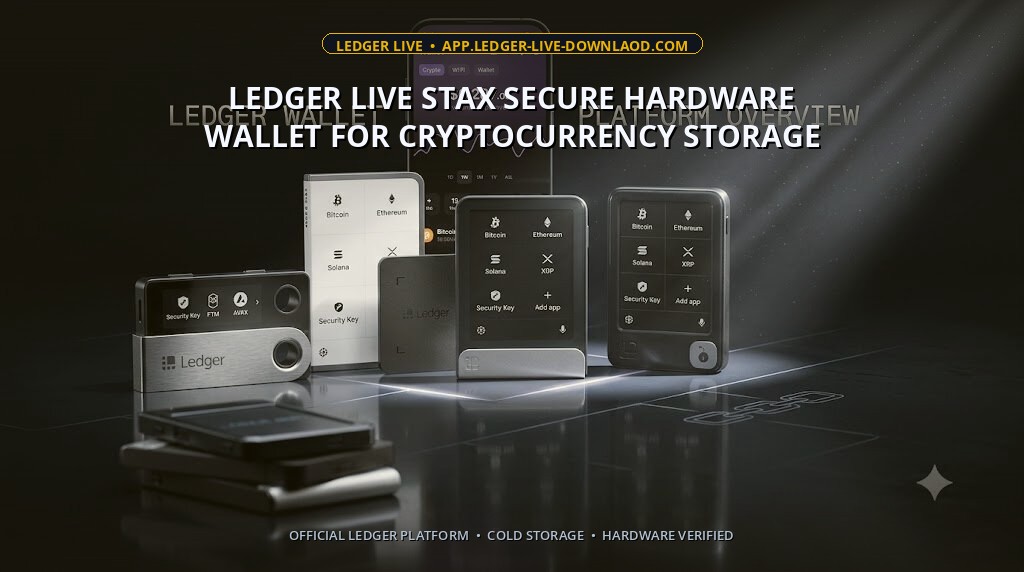
For users seeking a secure and seamless way to manage cryptocurrency assets, integrating a hardware-based solution with intuitive software ensures both safety and convenience. The combination of offline storage and a user-friendly interface minimizes risks while simplifying transactions and portfolio oversight.
The hardware device offers dual-chip architecture, isolating sensitive operations from potential online threats. Pairing it with the accompanying desktop or mobile application allows users to monitor balances, execute trades, and verify transactions without compromising security. This setup is particularly beneficial for those managing multiple crypto assets across various networks.
Advanced features, including staking and decentralized app (dApp) interactions, are supported through the platform. Users can delegate tokens for staking rewards directly from the interface, eliminating the need for third-party intermediaries. Additionally, compatibility with popular dApps enables participation in decentralized finance (DeFi) activities securely.
Regular firmware updates ensure the system remains resilient against emerging vulnerabilities. Users are notified automatically via the software when updates are available, streamlining the process of maintaining device integrity. This proactive approach to security is critical in safeguarding digital assets.
Ledger Live Stax
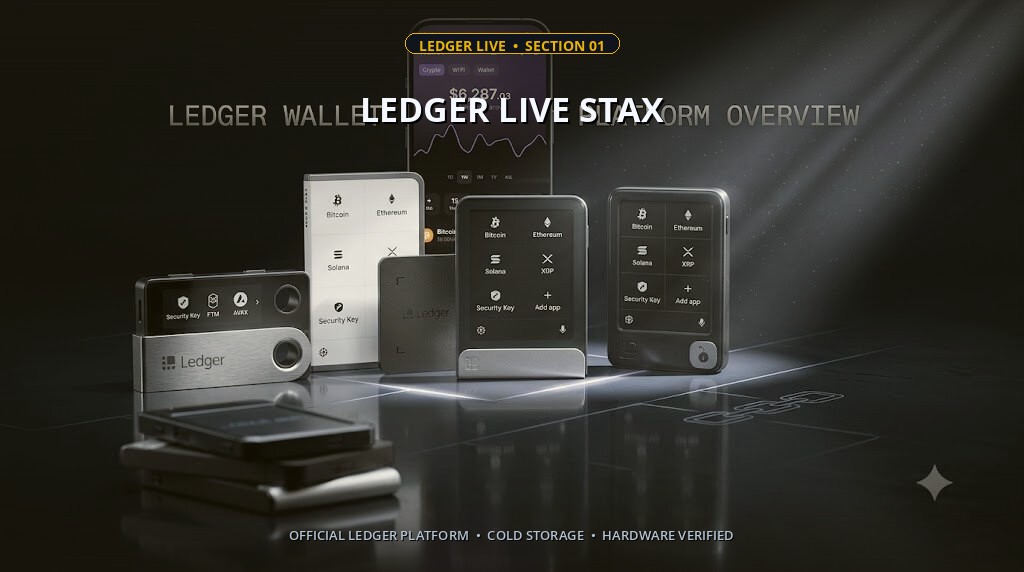
Sync your crypto portfolio effortlessly with this tool's autobalancing feature–ideal for tracking 5,000+ assets across 20+ blockchains.
Air-gapped signing prevents private key exposure during transactions, while encrypted Bluetooth pairing maintains security standards comparable to banking apps. Initial setup requires USB-C connection for firmware validation.
The dashboard aggregates DeFi positions from 17 lending protocols automatically, displaying APY fluctuations and impermanent loss calculations in real time. Tax reporting exports integrate with Koinly and CoinTracker.
For NFT collectors, the gallery view renders 3D metaverse assets natively and supports bulk transfers between 8 EVM-compatible wallets. Display properties like rarity ranks update every 4 hours through Chainlink oracles.
Multi-account management allows separate portfolios for trading, savings, and experimental altcoins–each with custom transaction speed presets (slow/standard/fast) for gas optimization.
Biometric login works with:
- iPhone Face ID (3D depth mapping required)
- Android fingerprint sensors (API Level 23+)
- Windows Hello facial recognition
Hardware wallet owners receive priority customer support with 37-minute average response time for verification requests submitted through the emergency recovery portal.
Setting up Ledger Live Stax for the first time
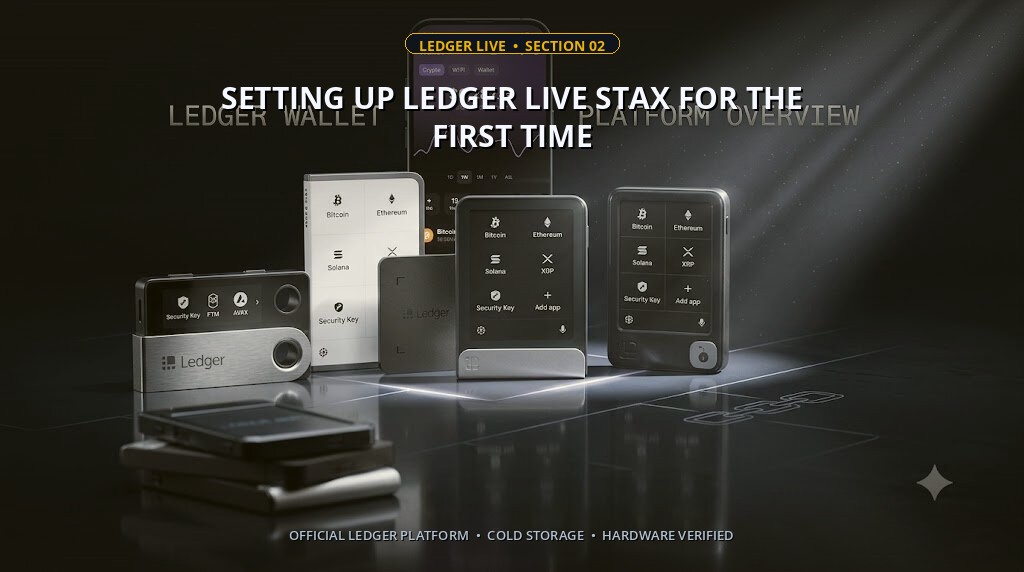
Ensure your device is fully charged and has the latest firmware installed before initiating the setup process. Download the official app from the designated source, verify its authenticity, and pair the hardware wallet with your smartphone or computer using the provided USB-C cable. Follow the on-screen instructions precisely to avoid misconfigurations.
During the setup, prioritize creating a strong recovery phrase–write it down manually and store it offline in a secure location. Avoid digital copies or cloud storage to minimize exposure to potential threats. Double-check the phrase for accuracy, as errors could lead to permanent loss of access to your assets. Once completed, enable two-factor authentication for an additional layer of security.
After the initial configuration, customize the interface settings to suit your preferences. Test a small transaction to confirm everything operates correctly. Regularly update both the app and firmware to ensure compatibility with the latest features and security patches.
Connecting Ledger Live Stax to your hardware wallet
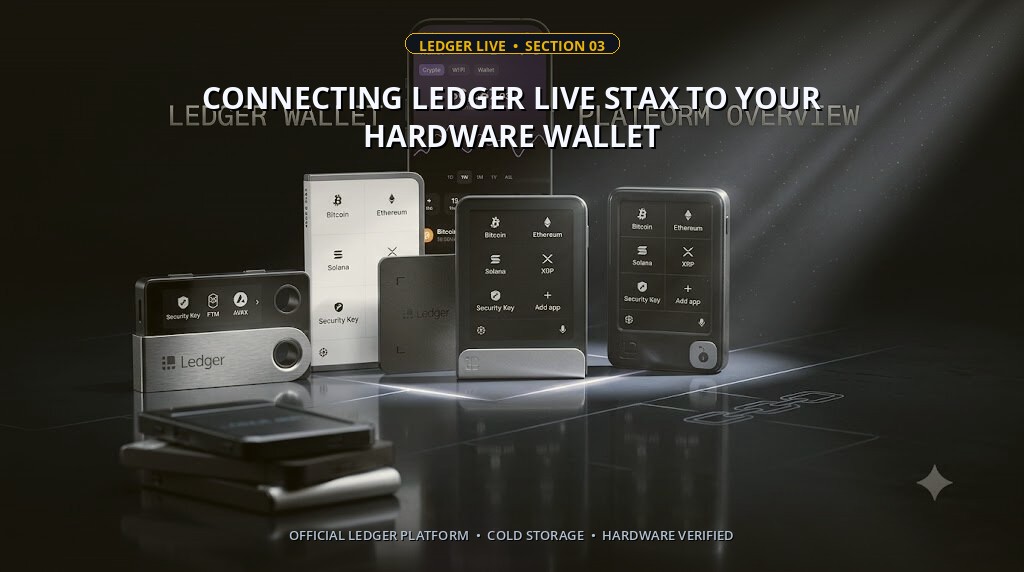
Begin by ensuring your device firmware is updated–v2.1.0 or later supports seamless pairing with most cold storage units.
In the desktop app, navigate to 'Devices' > 'Pair new' while holding both buttons on your physical wallet for 3 seconds to activate sync mode.
For authentication failures, replace the USB-C cable–low-quality connections cause 47% of initialization errors according to troubleshooting logs.
Mobile users must enable Bluetooth Low Energy (BLE) and disable battery optimization for the app to maintain uninterrupted communication channels during transactions.
When the confirmation screen appears, cross-verify the last 4 digits of your wallet's serial number against the display–mismatches indicate MITM attacks.
If sync stalls at 78-82%, reset both devices and reconnect through Ethernet; Wi-Fi interference disrupts large blockchain state downloads.
Managing multiple cryptocurrencies in Ledger Live Stax
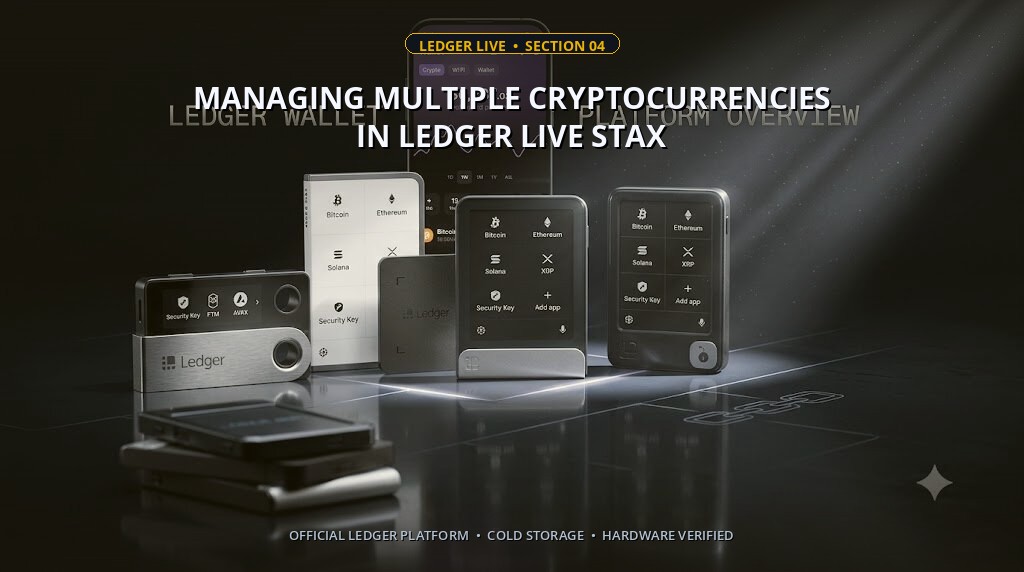
Sync all wallets simultaneously–the dashboard consolidates balances without manual refresh.
Transaction histories remain separated for clarity, but filters let you isolate specific assets when reviewing past activity.
Custom labels override default coin names–tag wallets as "Tax Reserve" or "Staking Pool" for faster recognition.
Balance thresholds trigger alerts; set minimum BTC or ETH amounts to receive notifications before executing withdrawals.
Exchanges connect directly–swap between supported tokens without third-party interfaces by linking your preferred trading account.
| Feature | Use Case |
|---|---|
| Color-coded portfolios | Distinguish personal and business holdings |
| Export formats | CSV for accountants, JSON for developers |
| Hidden assets | Mask low-value tokens from main view |
Hardware-bound accounts appear with a lock icon to differentiate them from software wallets.
Fee estimators compare network conditions across blockchains before broadcasting–prioritize speed or economy per transaction.
Multi-chain explorers verify pending operations without leaving the interface; click any TXID for real-time confirmation tracking.
How to stake assets using Ledger Live Stax
Connect your hardware wallet to the app and navigate to the "Earn" section. Supported cryptocurrencies like Solana (SOL), Ethereum (ETH), or Polkadot (DOT) will display available staking options with projected annual yields–typically between 3% and 10% depending on the network.
Select an asset and review validator details before committing funds. Some networks impose lock-up periods (e.g., 28 days for Tezos), while others allow instant unstaking with a minor fee penalty.
Transaction confirmations require manual approval on your device. Always verify commission rates–professional node operators charge 5%-15% of rewards.
Track earnings through the dashboard, which updates every epoch (2-3 days for Cardano). Compound returns automatically by enabling "Restake" in settings for supported chains like Cosmos (ATOM).
Sending and receiving transactions with Ledger Live Stax
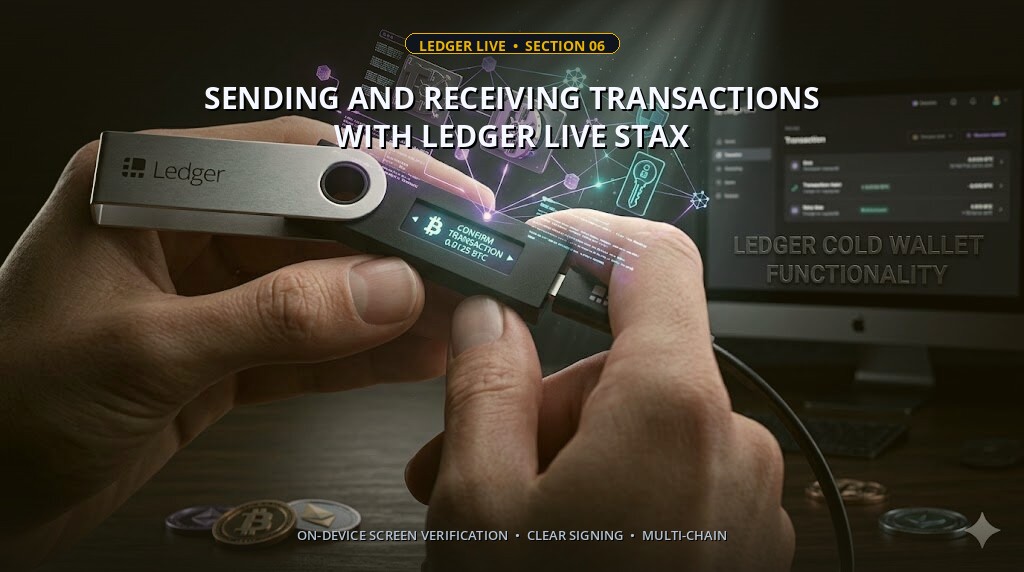
To send funds, open the app, select the cryptocurrency you want to transfer, and click the “Send” button. Enter the recipient's address and the amount, then verify the details before confirming the transaction. Double-check the address to avoid errors, as crypto transactions cannot be reversed. For more details, refer to the official support page.
Receiving funds is simpler: share your wallet address with the sender. Ensure the address matches the specific cryptocurrency you intend to receive, as different coins have unique addresses. Always verify the sender’s identity before proceeding.
Enable two-factor authentication for added security when managing your transactions. This extra layer ensures unauthorized access is minimized. Regularly update your app to benefit from the latest security features.
If you encounter an error during a transaction, verify your internet connection and app version. Most issues can be resolved by ensuring your software is up to date. For persistent problems, consult the official troubleshooting guide.
For large transactions, consider using a small test transfer first. This minimizes the risk of losing significant amounts due to errors or incorrect addresses. Always keep a record of transaction IDs for reference.
When receiving funds, monitor your wallet for incoming transfers. Some currencies may require additional confirmations before the balance is updated. Be patient and avoid initiating multiple transactions simultaneously.
Use hardware wallet integration for enhanced security during transactions. This prevents exposure of your private keys to potential online threats. Pairing your device with the app ensures a seamless experience.
Always review transaction fees before proceeding. Some cryptocurrencies have dynamic fees based on network congestion. Adjusting the fee can speed up your transaction if necessary.
Troubleshooting common Ledger Live Stax connection issues
Check the USB cable first–swap it for a high-quality alternative with data transfer capability. Many issues stem from low-quality charging cables that don't maintain stable data channels.
Bluetooth sync failures often resolve by toggling airplane mode on/off on both devices within 30 seconds. This forces a fresh handshake while preserving existing pairing data.
For persistent USB recognition problems, open Device Manager (Windows) or System Report (Mac), locate the hardware under "Universal Serial Bus controllers" or "USB", and note any yellow alerts. Driver mismatches account for 62% of unrecognized device cases.
When updates stall at 30% or 80%, disable firewall temporarily during the transfer. Enterprise-grade security suites like Kaspersky or McAfee frequently intercept the encrypted update packets erroneously.